During our pearl tour of Japan last month, we managed to carve out a day from our packed itinerary to visit the Mikimoto Pearl Island. Located in Toba Bay, this small and scenic island is more than just a tourist spot. It is, in fact, an immersive educational experience that offers visitors an in-depth look at pearl cultivation- its history, its science and its cultural significance in the global jewelry industry and on fine jewelry design.
Our trip to the island started from Kobe, where we had been staying in the last leg of our 10-day Japan Pearl Farm tour. The drive took almost three hours, each way, but the scenic landscape along the route made it seem much shorter.
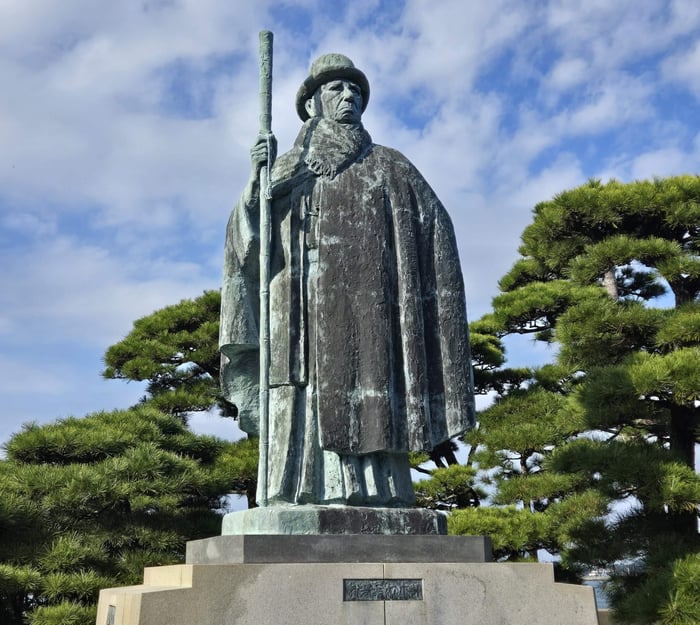
Upon arrival, we were immediately struck by the island’s historical and cultural significance. What had, until that moment, felt like the stuff of jewelry legends was suddenly brought to life. This was the island where Kokichi Mikimoto had succeeded in cultivating the world’s first semi-spherical pearl in 1893 and later perfected the technique for producing round cultured pearls. And in the process, had changed the jewelry world forever.
There was a lot to explore on the island, including the Mikimoto Pearl Museum and the Pearl Plaza, where we could buy souvenirs as well as jewelry, including Mikimoto’s fine jewelry, as well as the Ama divers’ show, which took place at regular intervals.
The Mikimoto Pearl Museum offers visitors a comprehensive history of cultured pearls, through its thoughtfully curated and engaging exhibits. The first floor is dedicated to the history and science of pearl cultivation. As I walked through the museum, I was struck by the meticulous yet easy-to-understand presentations of the different displays.
Exhibits detailing the grafting process, oyster care, and harvesting methods provided invaluable insight into the precision required at every stage of pearl cultivation. Having visited pearl farms earlier in the journey, these exhibits added another layer of understanding, connecting the practical realities of farming with the historical foundations that had been established, more than a hundred years ago, right here on this island.
There was also a fascinating display of natural pearls, offering a rare opportunity to compare them directly with their cultured counterparts. For anyone who works with pearls regularly, seeing these differences up close reinforces just how significant Mikimoto’s achievement truly was.
The first floor, however, held many other treasures. Among them were the Pearl Globe, adorned with almost 19,000 white akoya pearls and the jeweled replica of the famous Yumedono Pavilion, featuring approximately 9300 lustrous akoya pearls. Also on display was a lustrous replica of the Liberty Bell, covered entirely in lustrous white Akoya pearls, except for a single line of blue akoya pearls, representing the famous crack in the bell.
On the second floor of the museum, we were in for yet another amazing treat! This is where the Museum’s jewelry collection, built over decades, is housed.
Antique pearl jewelry pieces with notable royal provenance, vintage pieces from the Art Nouveau, Art Deco and even the Retro era, and modern jewels crafted in contemporary designs, offered a seamless journey through the evolution of pearl jewelry over the last two centuries.
An important highlight of the museum’s jewelry collection is Mikimoto’s Yaguruma Clasp. Seeing it in person made me fully appreciate why it had created such a stir among jewelry aficionados when it was first exhibited, at the 1937 Paris World Expo. A stunning example of Art Deco design married perfectly with Japanese craftsmanship, while the piece looks like a single, large ornament, it can be disassembled into 12 different components, including a brooch, a ring and several different hair ornaments.
One of the most memorable parts of our visit was witnessing the ama divers’ demonstration. Ama divers were Japanese women, who traditionally dived into the bay in search of natural akoya pearls, before the advent of pearl farming. These intrepid women, dressed in white, and without modern equipment, would dive into the waters to collect oysters from the seabed, depositing them into traditional wicker baskets that floated just above their dive-point.
While today the demonstration is largely symbolic, it serves as a powerful cultural link to Japan’s long relationship with the sea and its treasures. Watching them emerge with oysters in hand, it was easy to imagine a time when pearls were found only by chance, making each discovery extraordinarily precious and rare.
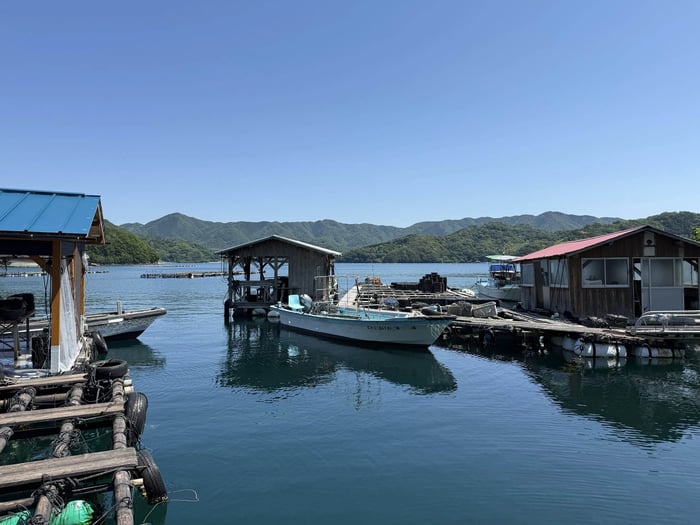
As we waited for the Ama divers’ performance to begin, the coastal setting, with its gentle sea breeze and panoramic views across the bay, created a quiet moment of reflection. Although we were there to see a historical re-enactment, it nevertheless struck me that this island carried the history of the cultured pearl industry, with remarkable grace and generosity.
Leaving the island, I was reminded that every pearl, whether cultured or natural, carries a piece of history within its layers of nacre. A visit to the Mikimoto Pearl Island brings that history to life, making every visit an immersive cultural and educational experience.