
Pearl education · Pearls As One
How to care for pearls
Good pearl care protects three things: the surface of the pearl, the thread that holds a strand together, and the setting that keeps each piece secure. A few informed habits make the difference.
3-minute read
- After wearing
- Wipe gently with a clean, soft cloth.
- For cleaning
- Use a damp cloth; avoid ultrasonic and steam cleaners.
- For storage
- Separate pearls from harder jewelry.
- For strands
- Check thread, knots and clasp regularly.
Why pearls need a different routine
A pearl’s beauty depends on its surface. Nacre, the material that gives akoya, freshwater, Tahitian and South Sea pearls their luster, is softer than many familiar gemstones. Pearls rank about 2.5 on the Mohs scratch-hardness scale. A gemstone or metal edge beside them can leave marks even when the jewelry looks securely stored.
Softness does not mean pearls cannot be enjoyed. It means preventing abrasion, chemical contact and excessive heat matters more than vigorous cleaning. Also consider the whole piece: a sound pearl can still be lost if an old thread breaks or a mounting loosens.
Build care into getting dressed
Apply perfume, hairspray, cosmetics and lotions before putting on pearls, and allow products to dry. Remove pearl jewelry before household cleaning, swimming, showering, strenuous exercise and activities that expose it to repeated knocks. Rings and bracelets deserve particular attention because hands and wrists meet countertops, tools and cleaning products throughout the day.
Perspiration and product residue should not remain on the surface between wearings. Gently wipe each piece when you take it off. Keep pearls away from hot cars, radiators, hair dryers and prolonged intense heat; excessive heat can discolor or crack nacre.
A practical cleaning method
For everyday care, use a clean, very soft cloth. If there is visible residue, lightly dampen the cloth with lukewarm water and wipe gently. For occasional additional cleaning, a little mild soap in the water can help; follow with a separate cloth dampened with clean water to remove the soap. Dry the surface with a soft cloth.
Work on a clean towel or tray rather than over an open sink. Support the strand as you handle it, and leave it resting flat until the thread is completely dry before wearing or putting it away. Wiping is a useful default for finished jewelry; avoid prolonged soaking, particularly when its thread, adhesive or construction is unknown.
Never use ultrasonic or steam equipment on pearl jewelry. Skip abrasive powders, toothpaste, household bleach, vinegar and general-purpose jewelry dips. A cleaner intended for gold or diamonds is not automatically suitable for the pearls mounted beside them. Follow any additional instructions supplied for your particular piece.
Further reading: GIA: Pearl Care and Cleaning Guide
Store without rubbing, tangling or heat
Give pearl jewelry its own soft-lined compartment or protective pouch. Fasten clasps and pins before storage so they are less likely to catch another piece. Keep metal chains, diamond settings and other hard objects from rubbing against pearl surfaces. For travel, separate pieces rather than placing several loose items in one pouch.
Choose a place with a moderate, stable environment. Avoid prolonged storage in very hot, excessively dry conditions. Make sure the jewelry is dry before enclosing it. Pearls do not need home oiling, soaking or other improvised conditioning treatments.

Inspect the parts that hold everything together
Before wearing a strand, look for stretched thread, fraying, soiled knots, new gaps between pearls or looseness near the clasp. Check that the clasp closes securely. With earrings, pendants and rings, look for loose fittings or movement that was not there before. Stop wearing a piece if its security is in doubt.
Restringing is maintenance, and the interval depends on wear and condition. An annual assessment is a useful starting point for a frequently worn strand; visible wear may justify attention sooner. Knots between pearls can limit losses if a thread breaks, but they do not make a weakened strand safe. Ask a jeweler experienced with pearls to assess the thread and the fittings together.
Further reading: GIA: How should I care for my pearls?
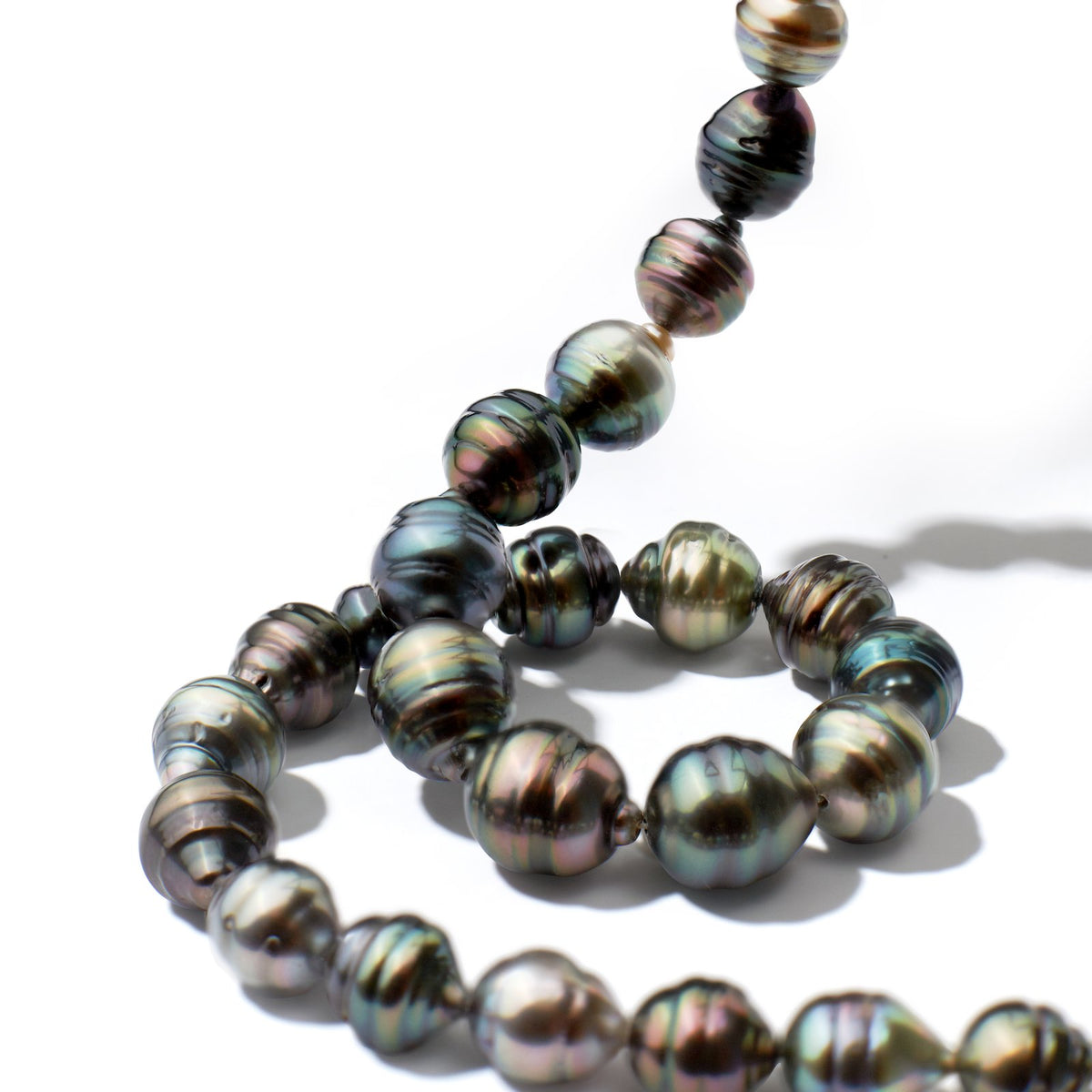
When gentle cleaning is not enough
Seek professional advice for persistent dullness, flaking, cracks, a loose pearl, an unreliable clasp or significant chemical exposure. Explain what happened and bring any purchase or treatment information. Some treatments and assembled pearl products require particular care.
For an inherited piece, have its condition and construction checked before attempting a thorough cleaning. Surface dirt may be removable; lost or damaged nacre cannot simply be washed back. A good assessment distinguishes cleaning, restringing and repair, so the response fits the actual problem.
Bring it together
Key takeaways
- Protect pearl surfaces from abrasion, chemicals and excessive heat.
- Use gentle wiping and let thread dry completely.
- Inspect strands and fittings; address wear before a piece fails.
Go deeper with Pearls As One.
This public resource introduces the principles. The full course explores the biology, history, cultivation and evaluation of pearls in greater depth.