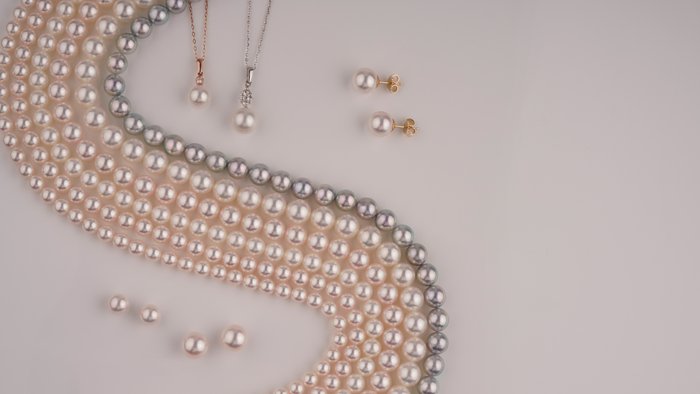
Akoya pearls
Understand the pearl behind the classic strand, from its Japanese culturing history to the sharp reflections that distinguish fine examples.
Read the full guideThis store requires javascript to be enabled for some features to work correctly.

Public pearl education
Understand what a pearl is, how it grows, and what makes one different from another. Start with the essentials, then explore the pearl types and practical questions that interest you.
A pearl is a record of living growth. Its mollusk, growing environment, cultivation method, and nacre all help shape what you see. Learning to recognize those relationships makes the differences between pearls more meaningful than a color name or a commercial grade.

Begin with understanding
Natural pearls form without deliberate human initiation. Cultured pearls develop through a farming procedure, with the pearl material made by a living mollusk. Both are genuine pearls. Imitation pearls are manufactured objects that resemble pearls. These terms describe different things, and they should not be used interchangeably.
A second distinction concerns color. A cultured pearl can have natural color, and a natural or cultured pearl can be treated. A third concerns the nucleus: some cultured pearls grow around a bead, while others grow without one. No bead does not mean natural. Understanding these separate questions prevents several of the most common mistakes.
New to pearls?
Begin with how pearls form, then compare the four main cultured types.
Find your starting pointLooking closely at a pearl?
Learn quality vocabulary and the limits of appearance-based conclusions.
Find your starting pointWearing or caring for pearls?
Use the practical care guide for cleaning, storage, and maintenance.
Find your starting pointThe principal cultured types
Akoya, freshwater, Tahitian, and South Sea are useful starting points for understanding the pearls most often encountered in jewelry. Each has recognizable tendencies, but every category contains variation. Size, color, and luster can overlap between types, so a photograph is not a reliable substitute for identification.
The four articles below connect the finished pearl with its source mollusk and method of cultivation. They explain familiar appearances, important exceptions, and the questions that make a description more informative. Other pearl categories also exist, including natural and non-nacreous pearls; these four types are a foundation rather than the entire pearl world.
Understand the pearl behind the classic strand, from its Japanese culturing history to the sharp reflections that distinguish fine examples.
Read the full guide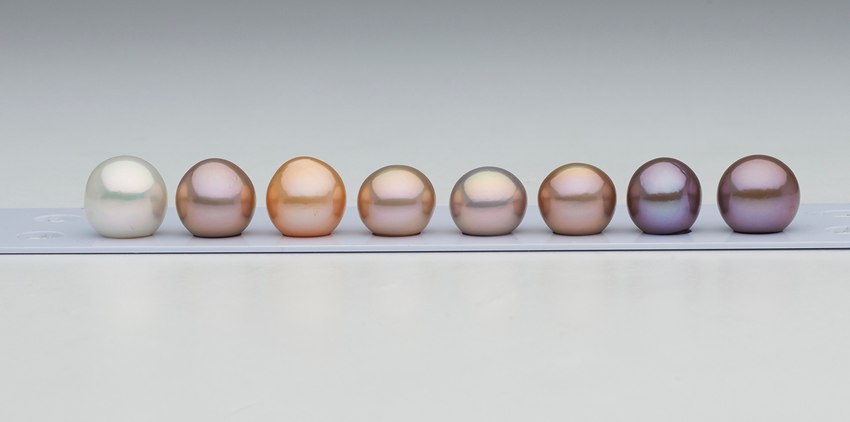
From tissue-cultured pearls to large bead-cultured gems, freshwater pearls offer a range of growth methods, colors, and forms that one stereotype cannot describe.
Read the full guide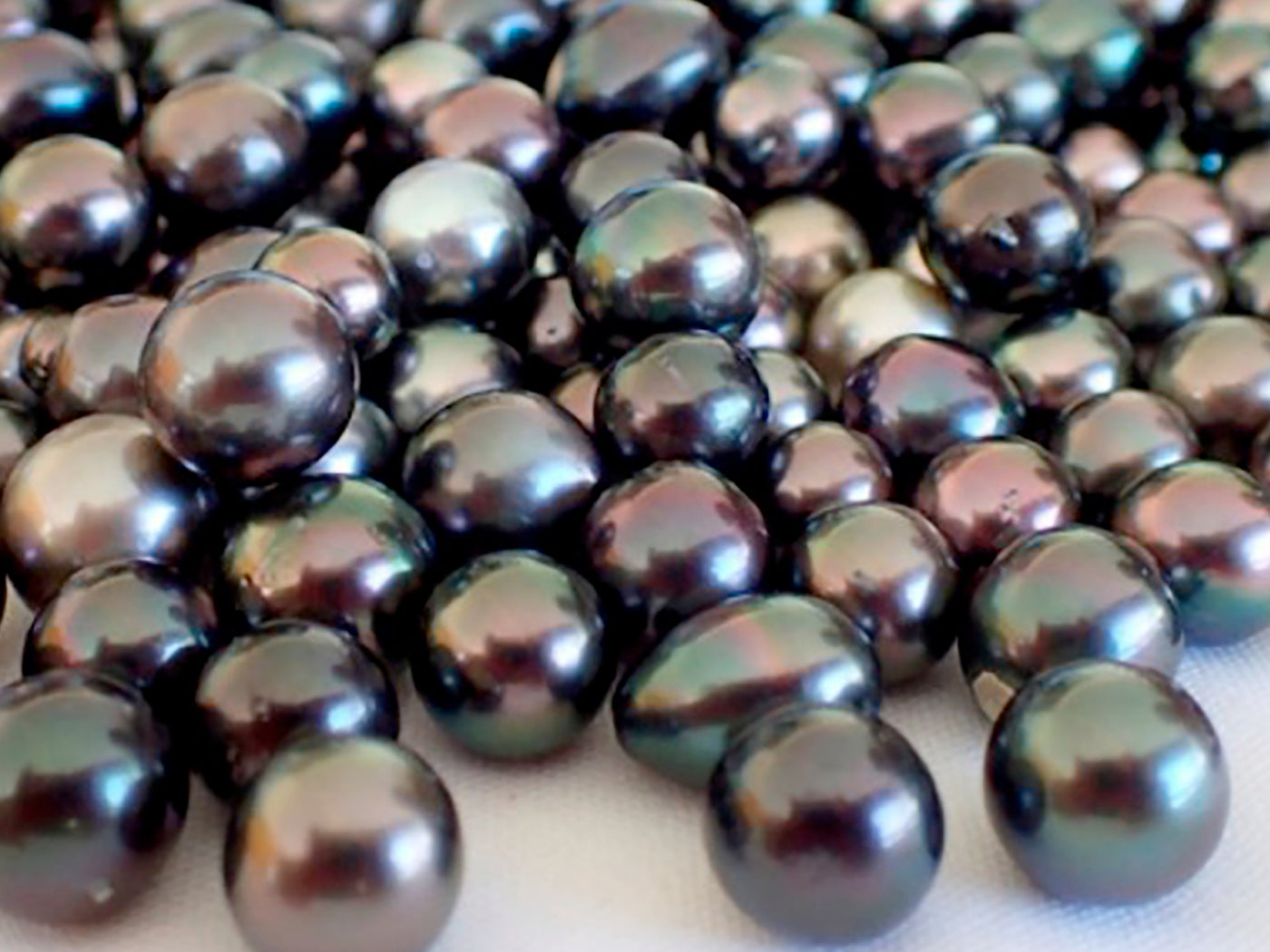
The famous black pearl is rarely simply black. Its identity connects a particular mollusk, French Polynesian farming, and a remarkably varied palette.
Read the full guide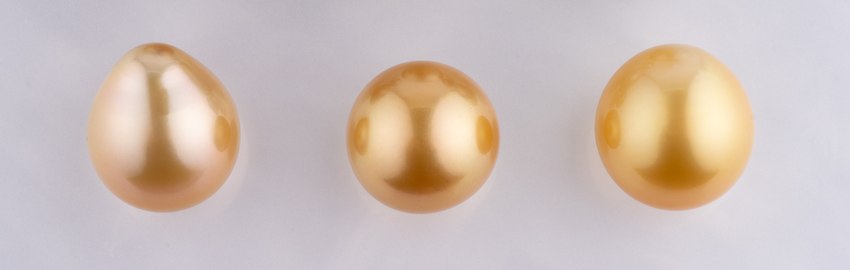
White, silver, and golden South Sea pearls share a remarkable mollusk. Understanding its biology helps explain their scale, appearance, and demanding cultivation.
Read the full guideLook with a more informed eye
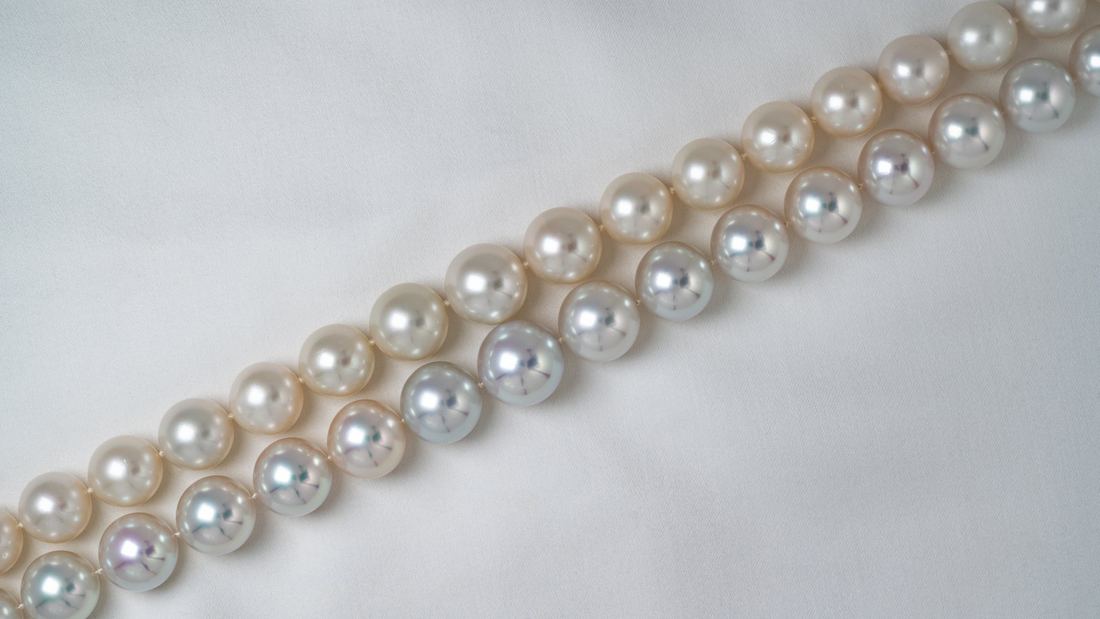
Start with luster: the brightness and character of the reflections. Then look separately at bodycolor and overtone, shape and measurements, surface features, and the condition of the nacre. When several pearls appear together, examine how well they work as a pair or strand.
Try a simple exercise with two similar pearls under the same light. Turn each slowly. Which holds the brighter reflection? Are the colors different, or are you seeing different reflections from the room? Does a surface mark remain conspicuous from the wearing angle? Observation builds understanding, but it cannot establish every fact about origin, identity, or treatment.
From growth to daily wear
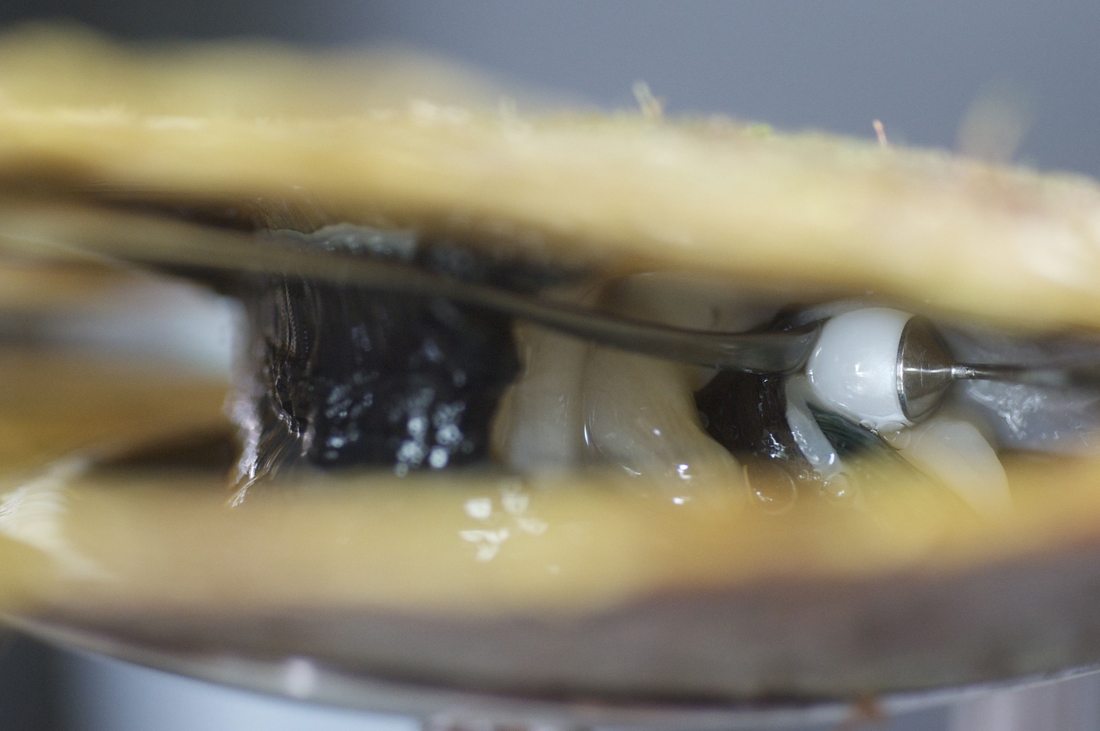
Cultivation begins with healthy mollusks and skilled work. A successful graft must establish a pearl sac, and the animals require care throughout growth. Harvest produces a range of qualities, followed by sorting, possible processing, and matching. A fine strand is assembled through selection rather than harvested as a ready-made necklace.
Our formation guide explains that sequence. The quality guide provides a framework for comparison. The treatments guide separates everyday finishing, altered appearance, and what can actually be documented. The care guide explains how to wear, clean, inspect, and store pearl jewelry.
4-minute guide
The essential story is living tissue making a gem. Follow the process from the pearl sac to harvest, and learn why cultured does not mean imitation.
Read the full guide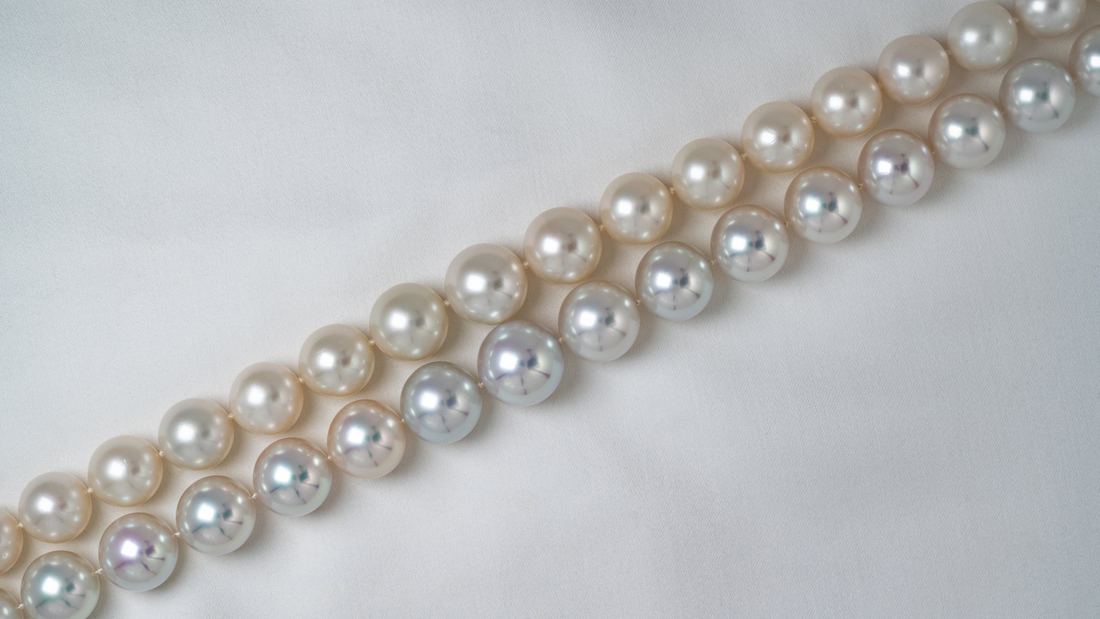
4-minute guide
Learn a practical way to examine pearls, separate observable quality from identification, and ask what a grade actually means.
Read the full guide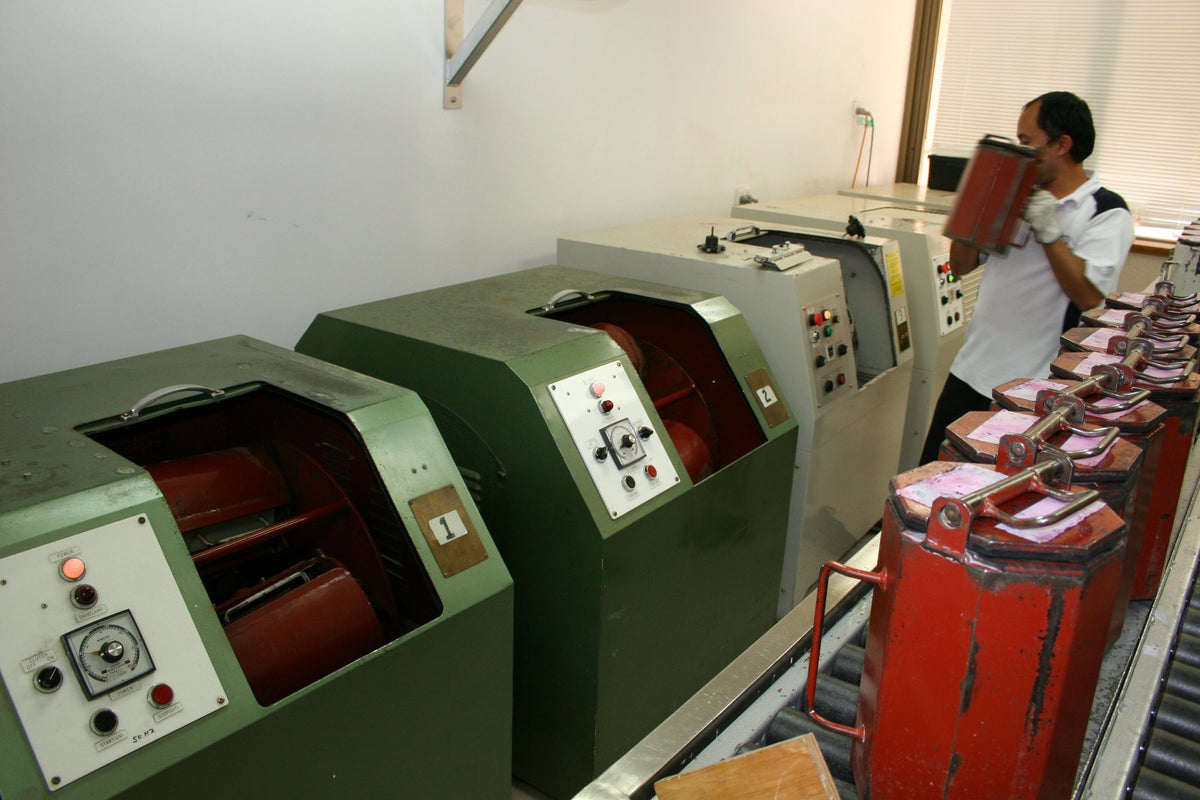
3-minute guide
A pearl’s growth history, color origin and post-harvest processing are separate questions. Understanding each one helps you read descriptions, compare pearls fairly and ask for the right documentation.
Read the full guide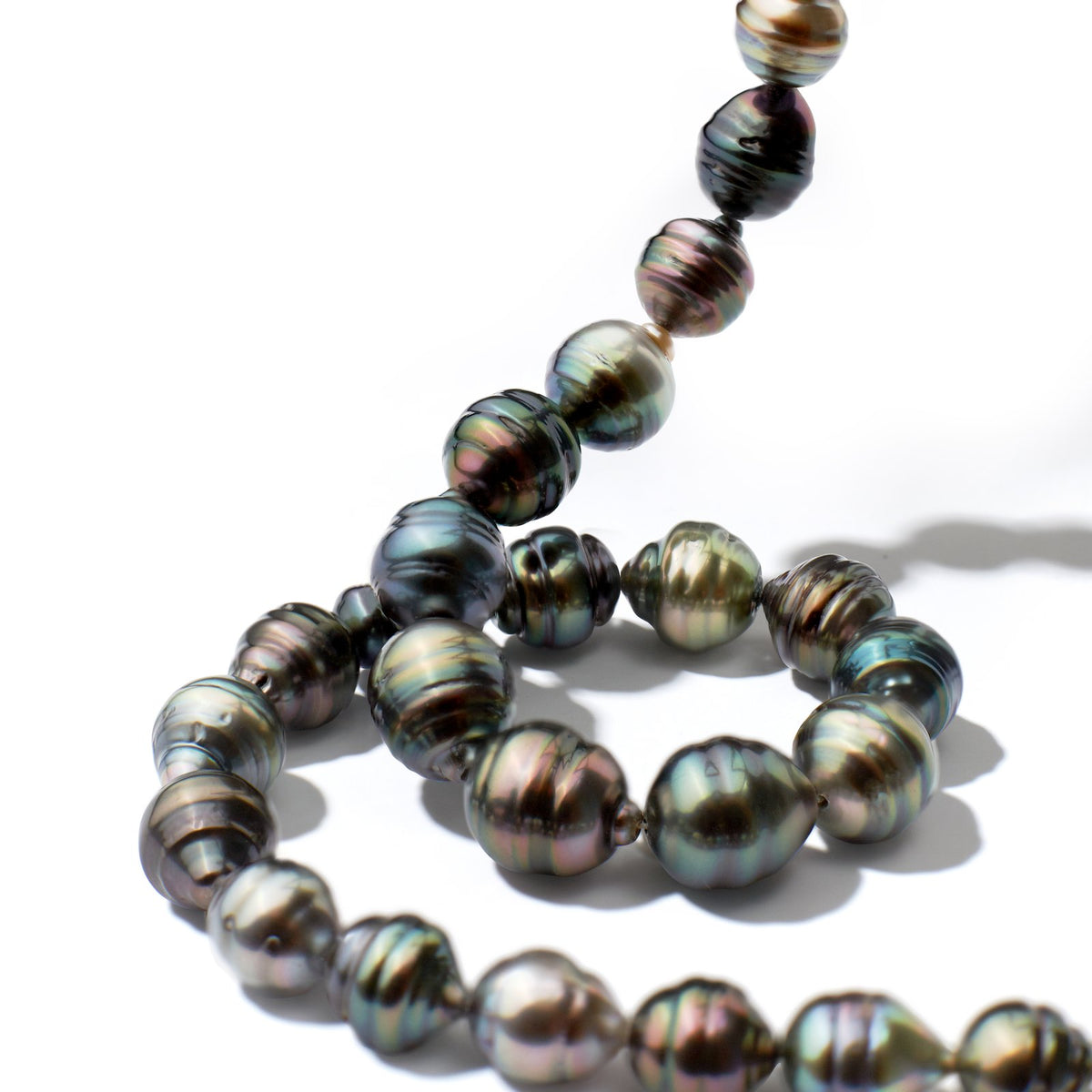
3-minute guide
Good pearl care protects three things: the surface of the pearl, the thread that holds a strand together, and the setting that keeps each piece secure. A few informed habits make the difference.
Read the full guide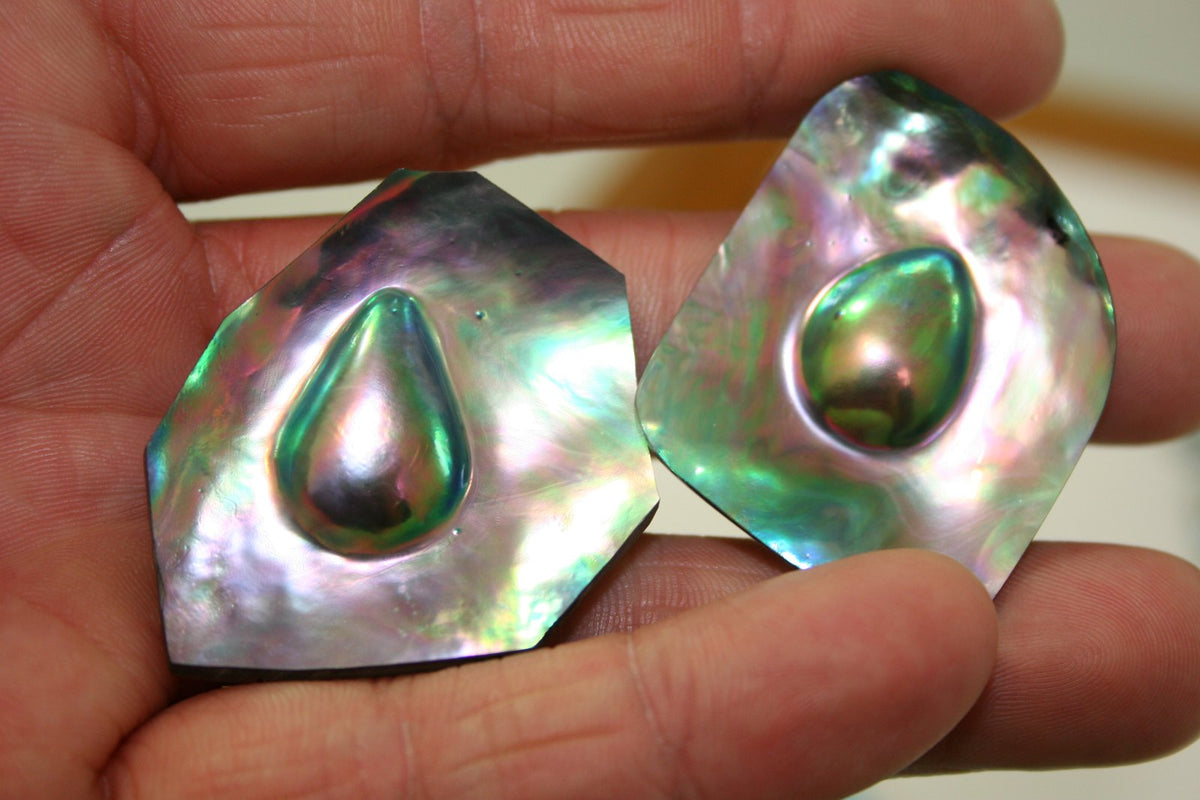
4-minute guide
Natural pearls, keshi cultured pearls, mabé, and non-nacreous pearls expand the familiar pearl picture. Learn what these names describe, how they overlap, and which questions help you understand a jewel.
Read the full guide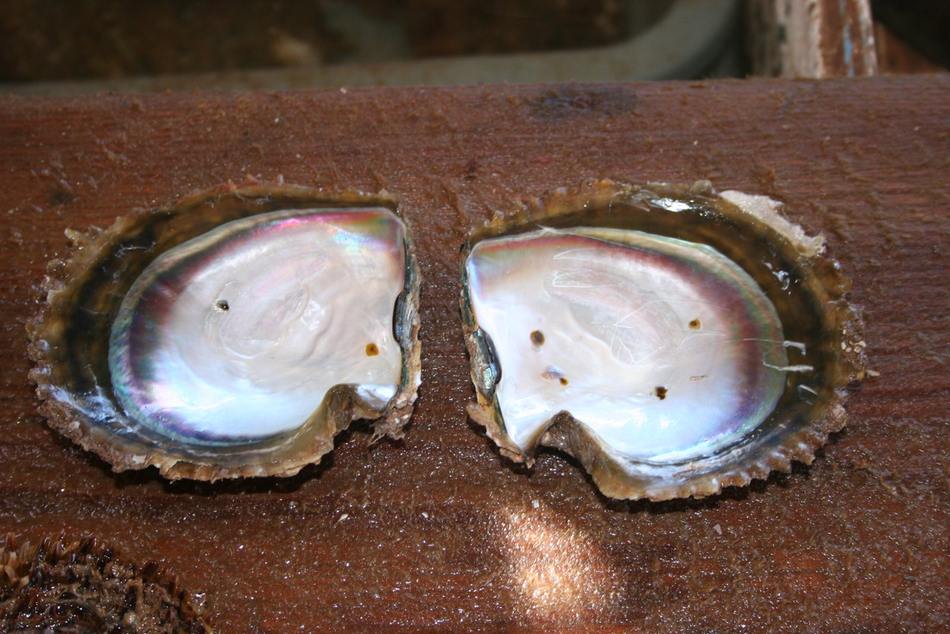
A–Z reference
Explore pearl terminology, from formation and farming to quality, treatments, and identification. Search definitions and discover related terms.
Read the full guideThese public guides are designed to answer real questions on their own. Pearls As One takes the subject further through structured study of pearl biology, history, cultivation, identification, evaluation, and the people and places behind the trade. Start here to build a useful foundation, and continue into the course when you want a deeper, connected understanding.
Pearls As One acknowledges JPEA and Jewelmer among its contributors. Meet our Global Education Sponsors and explore their work.