
Pearl education · Pearls As One
Pearl treatments and disclosure
A pearl’s growth history, color origin and post-harvest processing are separate questions. Understanding each one helps you read descriptions, compare pearls fairly and ask for the right documentation.
3-minute read
- Natural or cultured
- Describes how the pearl formed.
- Natural color
- Describes color origin, not the entire processing history.
- Treatment information
- Ask what was done and whether special care is needed.
- Laboratory reports
- Read their scope and detectable-treatment findings.
Begin with three separate questions
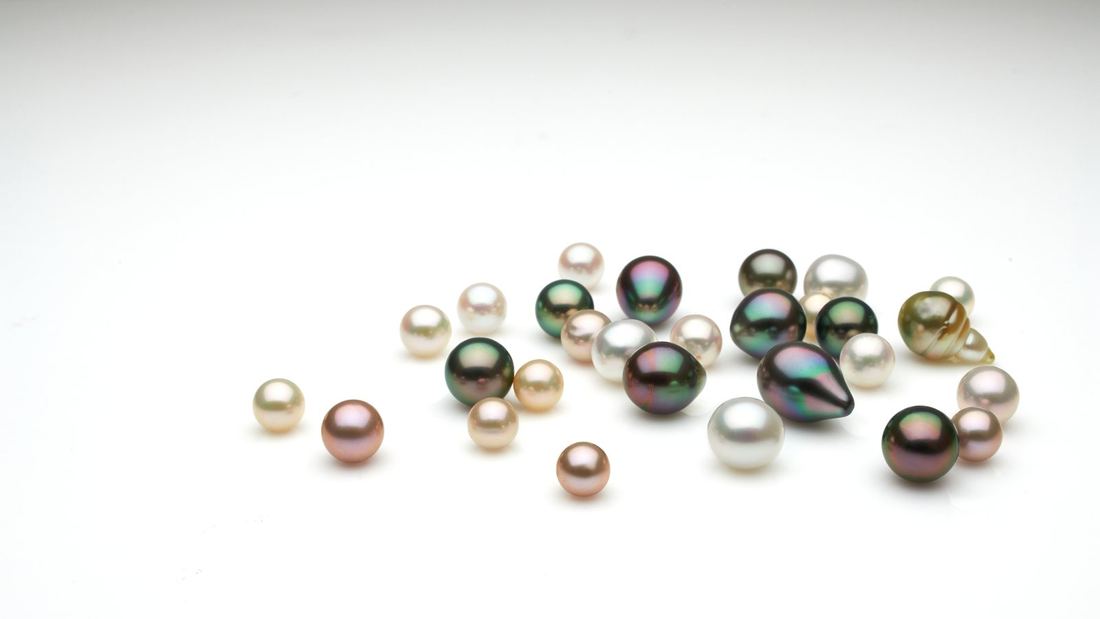
Natural pearls form without human intervention in their formation; cultured pearls form through a pearl-culturing operation. Both are produced by mollusks. An imitation is a different product made to resemble a pearl. Dyeing a cultured pearl does not turn it into an imitation, and an untreated cultured pearl does not become a natural pearl.
Next ask whether the color was produced by the mollusk or modified after harvest. Finally, ask what other processing occurred. A natural-color claim alone does not establish that a pearl has never been polished, drilled or subjected to a process directed at its luster.
From harvest to finished jewelry
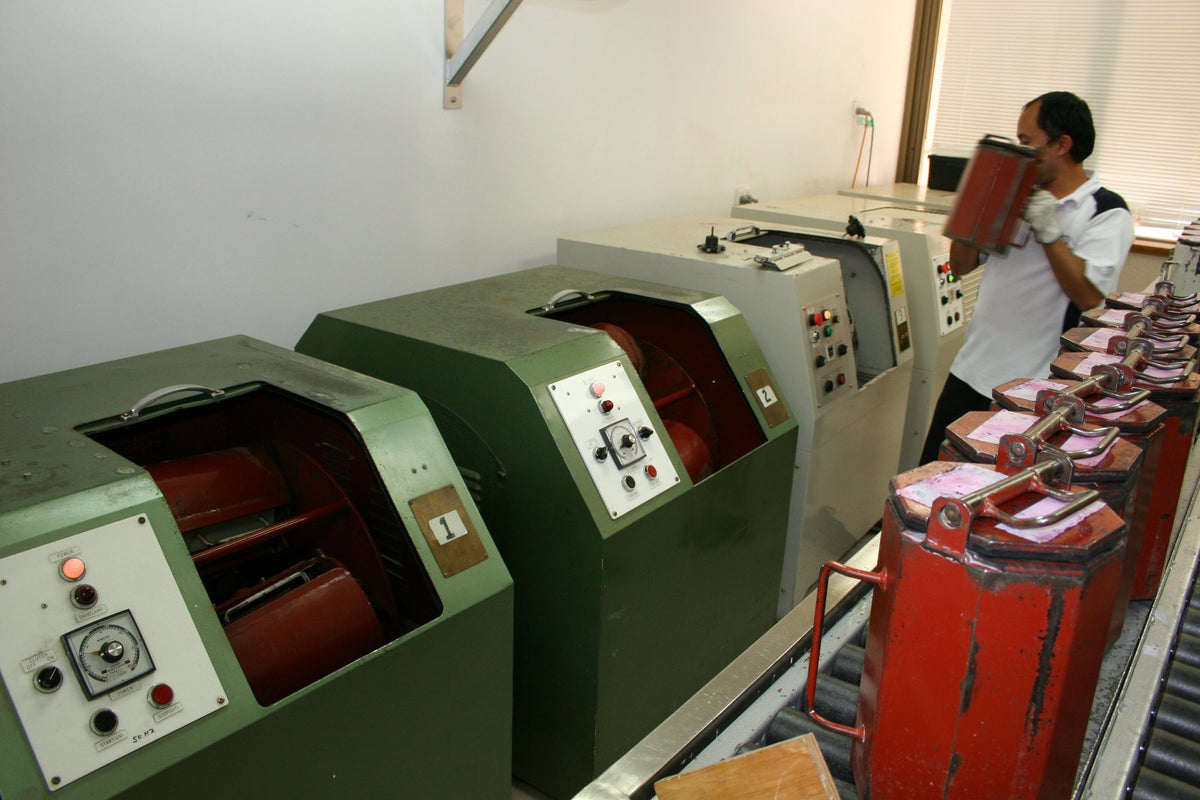
Freshly harvested pearls need preparation before becoming jewelry. Cleaning away tissue, sorting, drilling, matching and stringing serve different purposes from changing a pearl’s color or surface appearance. CIBJO’s 2024 Pearl Book distinguishes normal procedures, including cleaning and polishing, from treatments requiring specific disclosure. It explicitly separates bleaching and maeshori from cleaning.
The word “routine” describes how commonly a process is used. It does not tell you what the process does. A useful description names the treatment rather than hiding several different operations behind phrases such as “standard finishing.”
Further reading: CIBJO: The Pearl Book (2024)
What the main treatments do
Processing varies with pearl type, producer and the intended result. Two similarly colored strands may have different histories. The following terms describe broad processes, not instructions for treating or testing pearls at home.
- Bleaching reduces unwanted coloration and can make a group of pearls appear whiter or more uniform. It has long been common in white akoya and freshwater pearl processing.
- Pinking, or tinting, introduces color to adjust the visible effect, often a rosy overtone in akoya pearls. Other dyes can produce or intensify many colors, including dark shades.
- Maeshori refers to preparatory treatment associated with luster enhancement. Methods vary among processors; the term should not be read as a guarantee of permanent improvement or as another name for simple washing.
- Heat and irradiation can modify color. Optical brightening changes the appearance of whiteness through a fluorescence effect. These are distinct processes even when the desired result looks similar.
- Coatings, impregnation and filling involve added material. Depending on the process, the purpose may be to alter appearance, conceal surface features or affect durability. Ask about any additional care requirements.
Color alone cannot settle the question
Pearls occur in a wide range of natural colors. Gold-lipped Pinctada maxima can produce naturally golden South Sea cultured pearls. Golden-looking pearls with treated color also exist, including dyed pearls examined in GIA research. “Golden” describes an appearance; it does not by itself establish species, growth environment or treatment history.
Likewise, a dark pearl is not automatically Tahitian. Dyed freshwater and akoya cultured pearls are available. An unusually strong or even color may prompt a question, but appearance alone cannot reliably prove or exclude treatment. GIA has documented dyed golden pearls with little visible surface evidence.
Further reading: GIA: Update on the Identification of Dye Treatment in Yellow or “Golden” Cultured Pearls
What a clear disclosure should tell you
Ask for the pearl category and any known treatments in writing, together with their care implications. If the history is uncertain, that uncertainty is useful information. CIBJO’s disclosure framework specifically includes bleaching, tinting, maeshori and other luster enhancements, alongside dyeing and coating. This is an industry framework; applicable requirements vary by jurisdiction.
Treatment can influence desirability, price and maintenance. Its presence does not answer every question about quality. Compare the actual luster, surface, nacre, shape and matching, while keeping the treatment history visible in the comparison.
What a report can and cannot establish
A suitable pearl identification report can address natural or cultured identity and detectable treatments. Laboratories may combine microscopy, internal imaging and spectroscopic tests because different questions require different evidence. Choose the service carefully: a quality-classification report may have a narrower scope than an identification report.
Read the findings and comments for the specific pearls examined. Some processing leaves limited diagnostic evidence, and techniques continue to develop. A report is not a complete factory record. An absence of reported treatment should be understood within the laboratory’s stated testing scope, rather than expanded into a guarantee that no processing ever occurred.
Further reading: GIA: Sample Pearl Reports
Four useful questions for a seller
- What type of pearls are these, and are they natural or cultured?
- Is the color natural, and what treatments or processing are known?
- Does any treatment or jewelry construction require special care?
- If there is a laboratory report, what was tested and which pearls does it cover?
Bring it together
Key takeaways
- Keep growth history, color origin and processing history separate.
- Ask for specific written disclosure rather than relying on appearance.
- Use laboratory findings within the scope of the report.
Go deeper with Pearls As One.
This public resource introduces the principles. The full course explores the biology, history, cultivation and evaluation of pearls in greater depth.