
Pearl education · Pearls As One
Freshwater Pearls: A Category Transformed
From tissue-cultured pearls to large bead-cultured gems, freshwater pearls offer a range of growth methods, colors, and forms that one stereotype cannot describe.
4-minute read
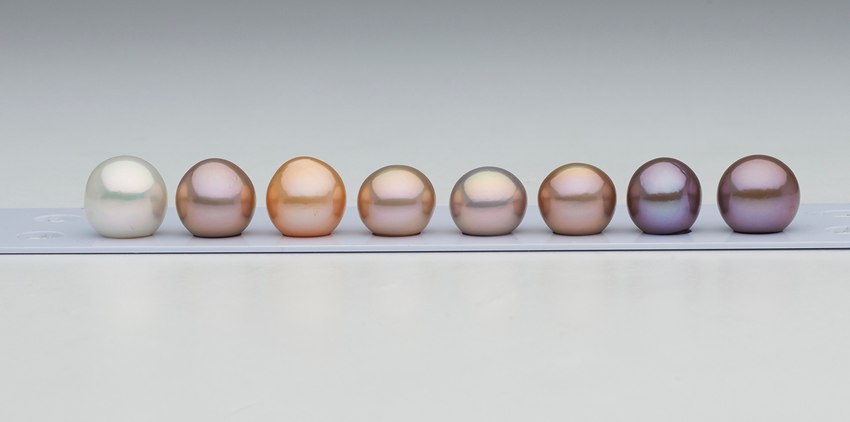
- Environment
- Freshwater ponds and lakes
- Principal source
- China
- Mollusks
- Freshwater mussels, including Hyriopsis cumingii and hybrids
- Cultivation
- Both non-bead and bead-cultured methods
Freshwater describes the growing environment
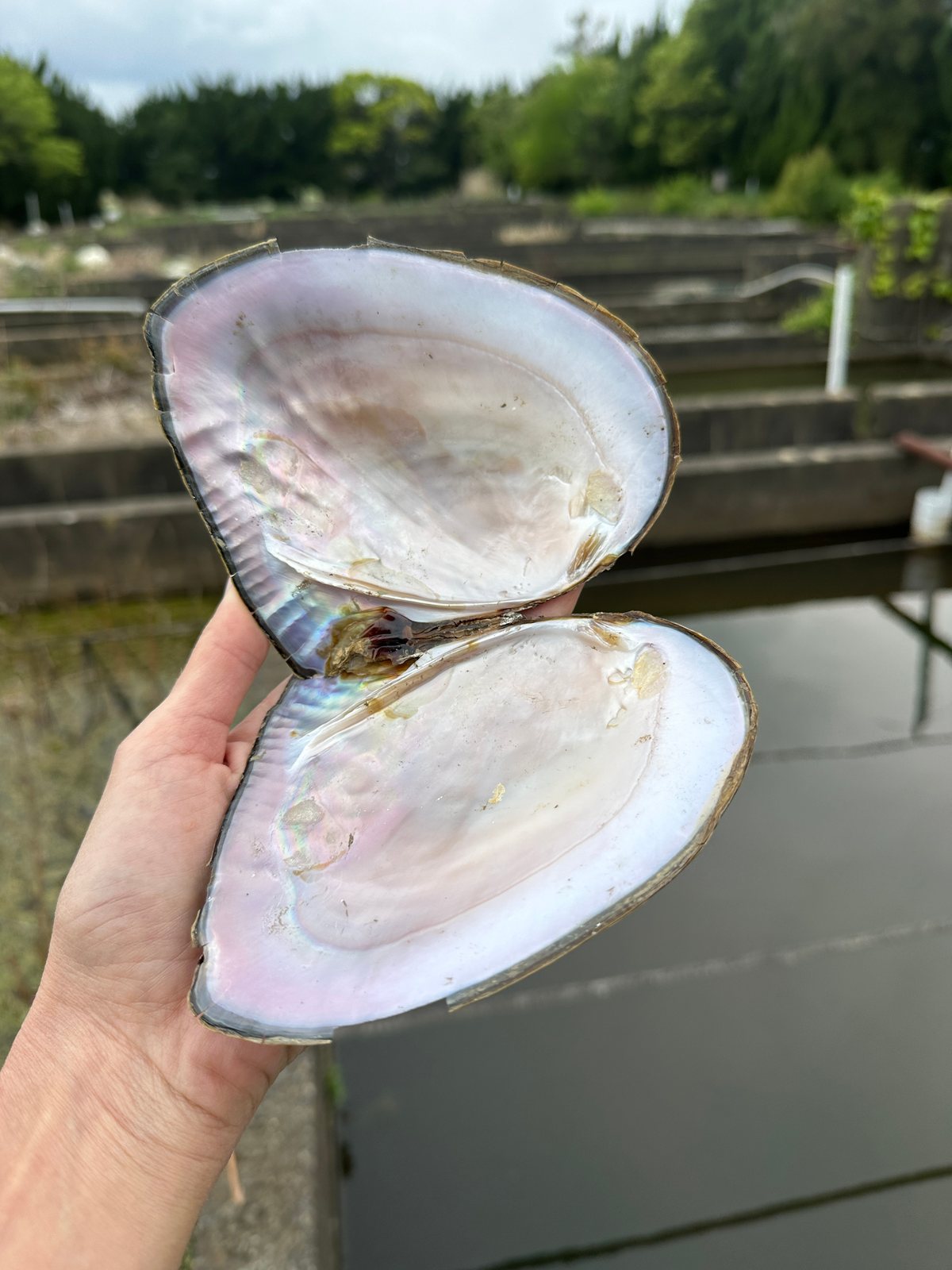
Freshwater cultured pearls are grown in mussels rather than the marine pearl oysters used for akoya, Tahitian, and South Sea production. China is the principal source. Japan has an important freshwater pearl history, including Lake Biwa and Lake Kasumigaura, while North America has contributed both cultured-pearl experiments and mussel shell for bead nuclei used around the world.
The category includes modestly priced small pearls, finely matched strands, richly colored individual pearls, and large sculptural baroques. Freshwater is an identity, not a quality grade. An assessment based only on inexpensive, irregular pearls overlooks how far cultivation has developed.
Two important ways to grow a pearl
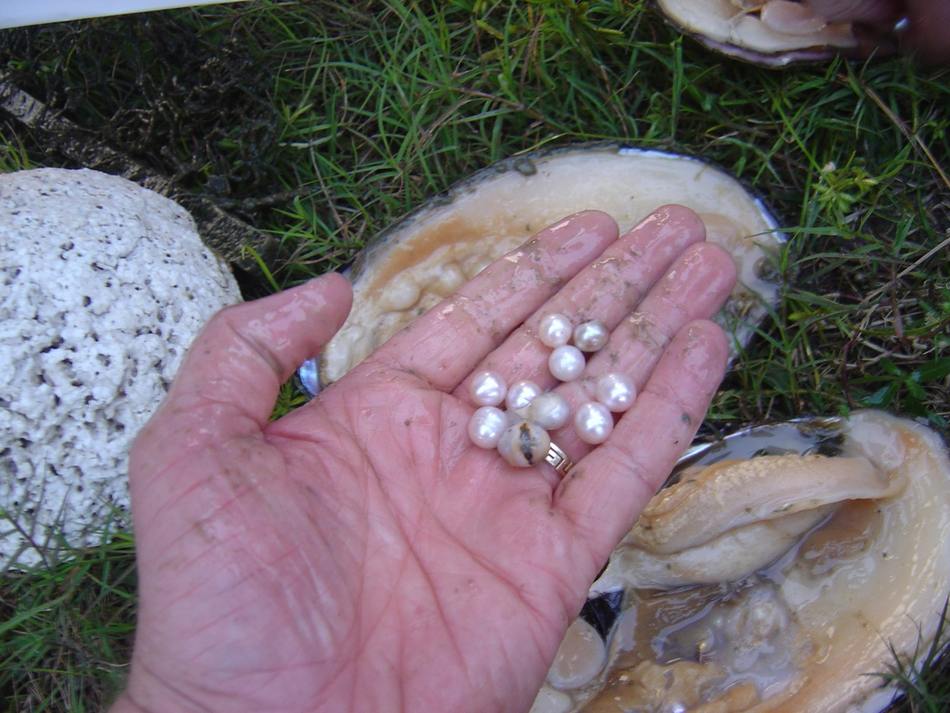
In traditional non-bead cultivation, small pieces of donor mantle tissue are grafted into the host mussel's mantle. Each successful graft forms a pearl sac and grows its own pearl without a preformed shell bead. Multiple pearls can develop in one mussel. These pearls are often described as solid nacre, although they can contain internal organic material or small cavities; the useful distinction is the absence of an inserted bead.
Bead-cultured freshwater pearls grow around a nucleus. Modern methods include inserting beads in the mantle or within deeper body tissues, and reusing an established pearl sac after a previous harvest. The exact method affects the shapes and sizes a farm can produce. Bead culture has made larger, rounder freshwater pearls more accessible, while also producing distinctive baroque forms.
Both methods produce genuine cultured pearls. A pearl grown without a bead is not thereby a natural pearl. The difference between natural and cultured is whether people initiated the pearl-producing process, not whether an X-ray would reveal a round nucleus.
More than white and round
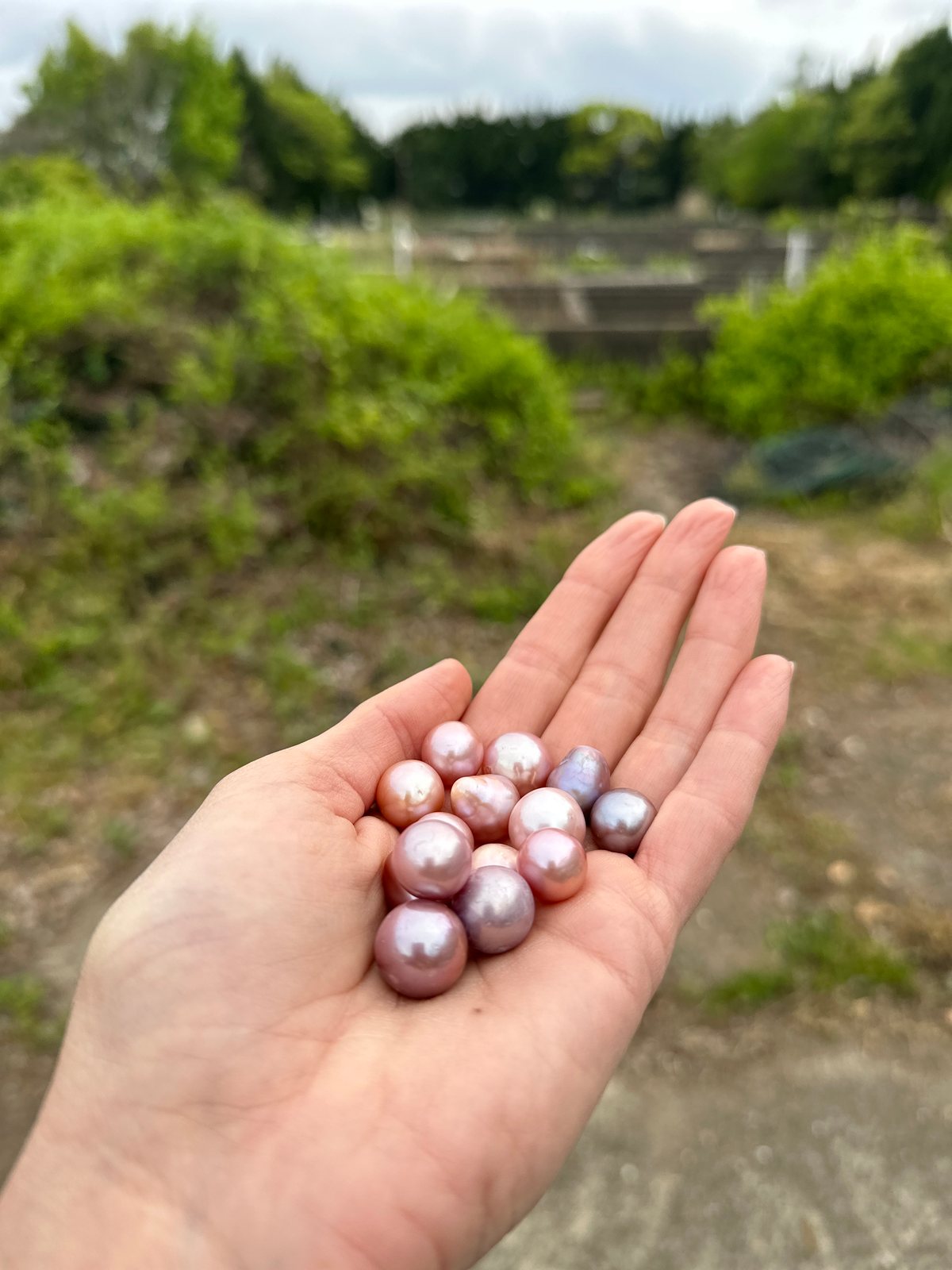
White, pink, peach, and lavender are familiar natural freshwater colors. Some pearls display deeper purple, coppery, or other complex coloration. Color depends in part on the nacre-producing donor tissue, and selective breeding and donor selection are important tools in farming. Dyeing also creates colors in the market, so a vivid appearance alone cannot establish natural color.
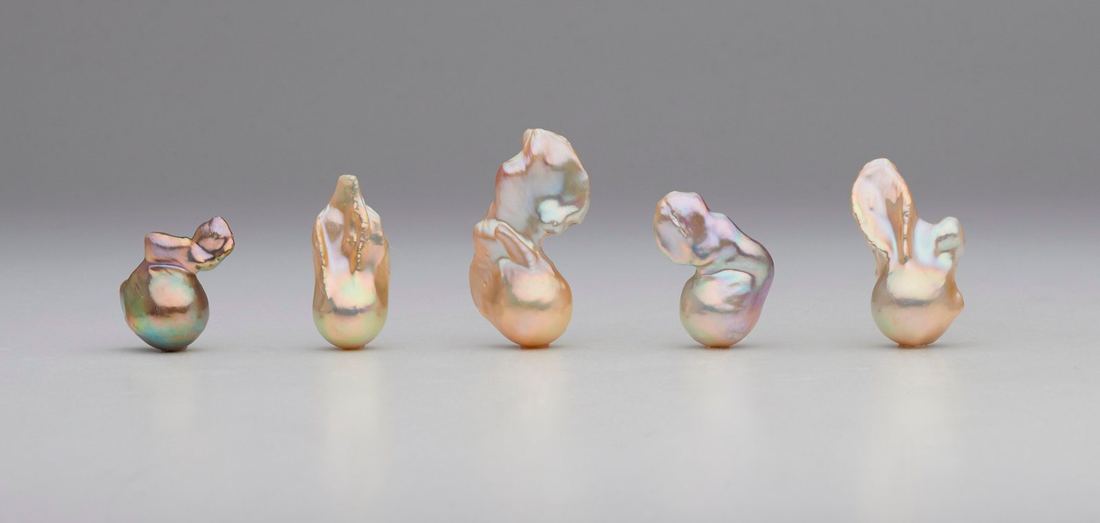
Shapes range from round and near-round to oval, button, drop, and highly irregular baroque. A button has a somewhat flattened profile; a drop has a narrower end; a baroque pearl is irregular rather than neatly symmetrical. These descriptions help explain how a pearl might sit in an earring or pendant, but they do not rank every design from best to worst.
Freshwater sizes span an unusually broad range. Many traditional commercial pearls fall around 6–12 millimeters; bead-cultured production includes large pearls above 12 millimeters and small round pearls in the few-millimeter range. Long baroques require more than one measurement. A 20-millimeter length should not be confused with the visual volume of a 20-millimeter round pearl.
Luster changes the impression
Freshwater luster ranges from subdued to strikingly sharp or metallic. Some pearls show strong orient, an iridescent play of colors that shifts as the pearl moves. Neither metallic nor orient is a pearl species or a standardized overall grade. These terms describe aspects of appearance that should be visible in the actual example.
Compare similar pearls under the same light. First notice brightness and the definition of reflected objects, then turn each pearl to examine its surface and shape. A deeply colored pearl can still be dull, and a white pearl can be exceptionally lively. Color, luster, and surface deserve separate attention before you consider their combined effect.
Understand the names on the label
Names such as Edison are used in the trade for particular marketed freshwater products; they are not replacements for a clear pearl description. Ask whether the pearl is bead-cultured, where it was grown if that is known, and how its color has been described or tested.
“Freshwater akoya” is misleading. Small, bright, round freshwater pearls remain freshwater pearls, even when they resemble saltwater akoya. Likewise, a geographic name such as Biwa should not be used merely as a shape description for pearls from elsewhere. Accurate names preserve the distinction between appearance, production method, brand, and place.
Further reading: GIA: “Freshwater Akoyas” — A Trending Misnomer
What to ask and observe
A meaningful description should identify the pearl type, measurements, shape, color, and known treatments. For a strand, examine the consistency or deliberate progression of luster and color across the whole piece. For a baroque pendant, look at the pearl from the angles in which it will be worn.
- Is there a bead nucleus, and is the stated production method documented?
- Is the color described as natural, treated, or undetermined?
- Are dimensions stated clearly for irregular or elongated pearls?
- Does the description use a geographic or brand name as though it were a grade?
Bring it together
Key takeaways
- Freshwater pearls can be grown with or without a bead; both are cultured.
- The category includes fine round pearls as well as organic shapes and complex colors.
- Freshwater pearls that resemble akoya should still be labeled accurately.
Go deeper with Pearls As One.
This public resource introduces the principles. The full course explores the biology, history, cultivation and evaluation of pearls in greater depth.